
Sewer scoping
A sewer camera inspection assesses the internal condition of your main sewer line until it intersects the city sewer connection.
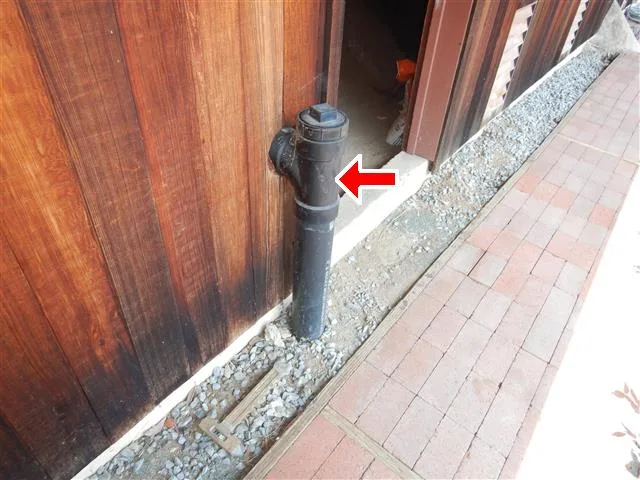








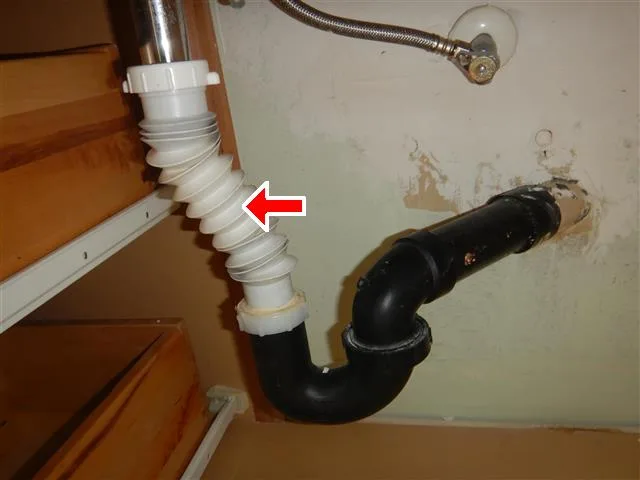
Sewer camera inspection & line detection
A sewer camera inspection assesses the internal condition of your main sewer line until it intersects the city sewer connection. Even seasoned home inspectors can only guess the condition of the sewer line because in most cases it is underground and completely hidden from view. Replacing a damaged or failing sewer line can mean ripping up landscaping, sidewalks and more, easily costing many thousands of dollars. If you are considering a home built before 1970 there is a high probability that the plumbing waste lines are cast iron or even clay, which have a limited life remaining. In any event, this allows the buyer to have a better idea of the true condition of the pipe and drastically reduces the likelihood of unanticipated replacement costs. Without a sewer camera inspection you could purchase a house with everything working one day and then soon after have a back-up that requires an expensive repair or replacement.
This is an optional service NOT included with any of our home inspections.
I've hired them before across Chula Vista, Clairemont, Carmel Valley, and Mission Valley — nothing but a good experience.

Using the camera
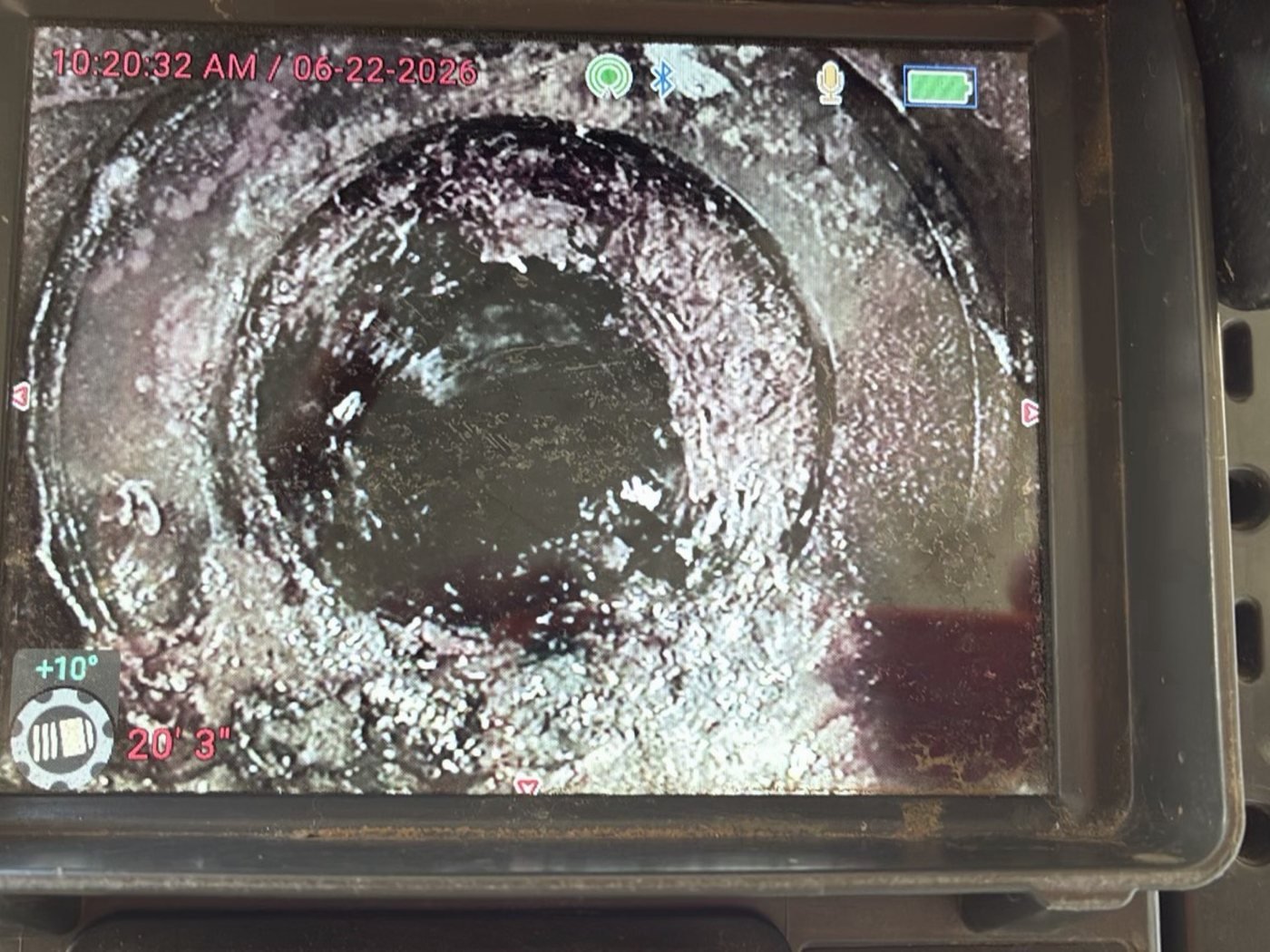
Our sewer and drain specialist will insert a high-tech camera through the interior portion of the drain and record video from the entry point to the public sewer line for a distance of approximately 100ft. He will note any damage, corrosion, root intrusions, improperly sloped sections, or other potential problem areas. He will include recommendations for follow-up, along with the approximate locations of any problem areas. In many cases there are smaller issues that can be dealt with preventatively, thus avoiding the stressful situation of having all of your drains blocked at an inconvenient time.
Additional benefits
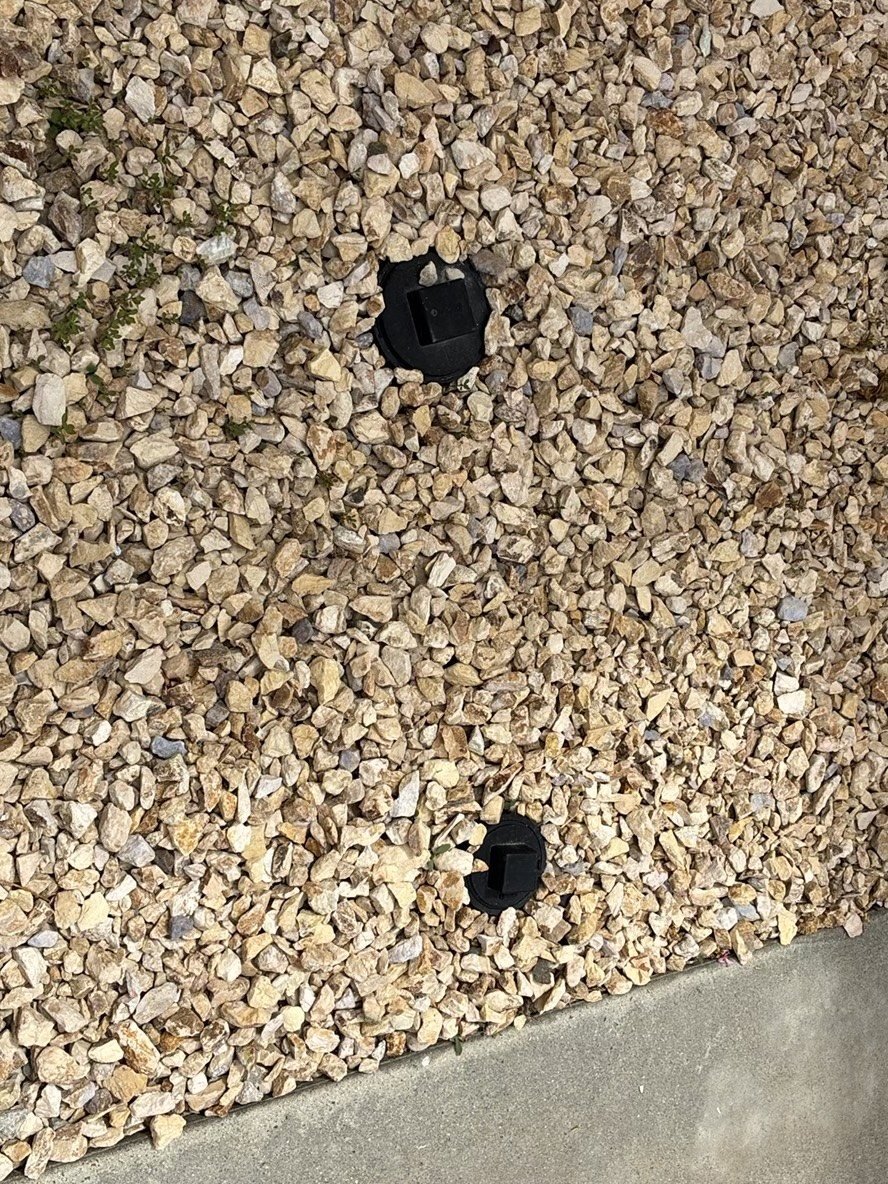
This service is very important because if there are repairs needed, knowing exactly where to dig can save a lot of time, money, and frustration. Our inspections are non-intrusive, meaning we do not damage or cut open or any walls or flooring to assess the pipes. As part of our inspection we let you know if it’s necessary to bring in a plumbing professional to do additional repairs.
We do not offer quotes for repairs nor do we perform any repairs ourselves. Please note that our sewer line inspections only assess whether or not there is damage to the main sewer line and does not examine the smaller “branch” lines that drain in to the main line. We are also not able to determine the exact remaining life expectancy of the pipe through our evaluation.
Cheaper as an add-on to a home inspection than on its own.
Sewer scoping
- Standalone Inspection$475
- With a Home Inspection$299
Cheaper as an add-on to a home inspection than on its own.
Home inspection
- Single family, from$475
- Condominium unit, from$395
- Townhome or attached, from$425
- Raised foundation+ $150
Add $150 for all raised foundation type properties
How it works
From the first call to the report, in order.
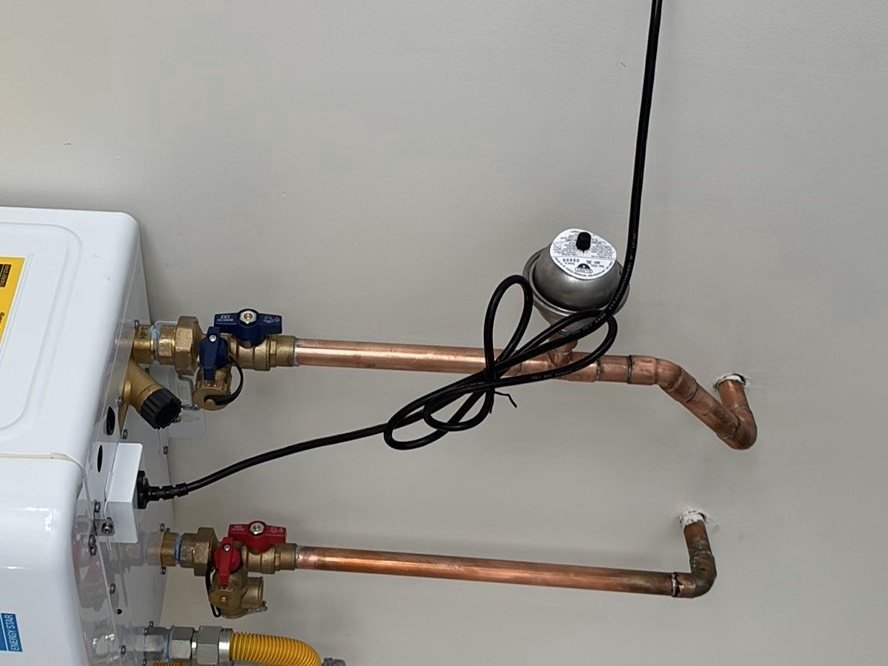
Step 1. Locate a Safe Access Point
We start by finding the best entry, usually a ground-level cleanout near the home or, when none exists, a pulled toilet or a roof vent. On many older San Diego properties the cleanout is buried, painted over, or was never installed, so part of our value is knowing where to look on different home eras and lot layouts.
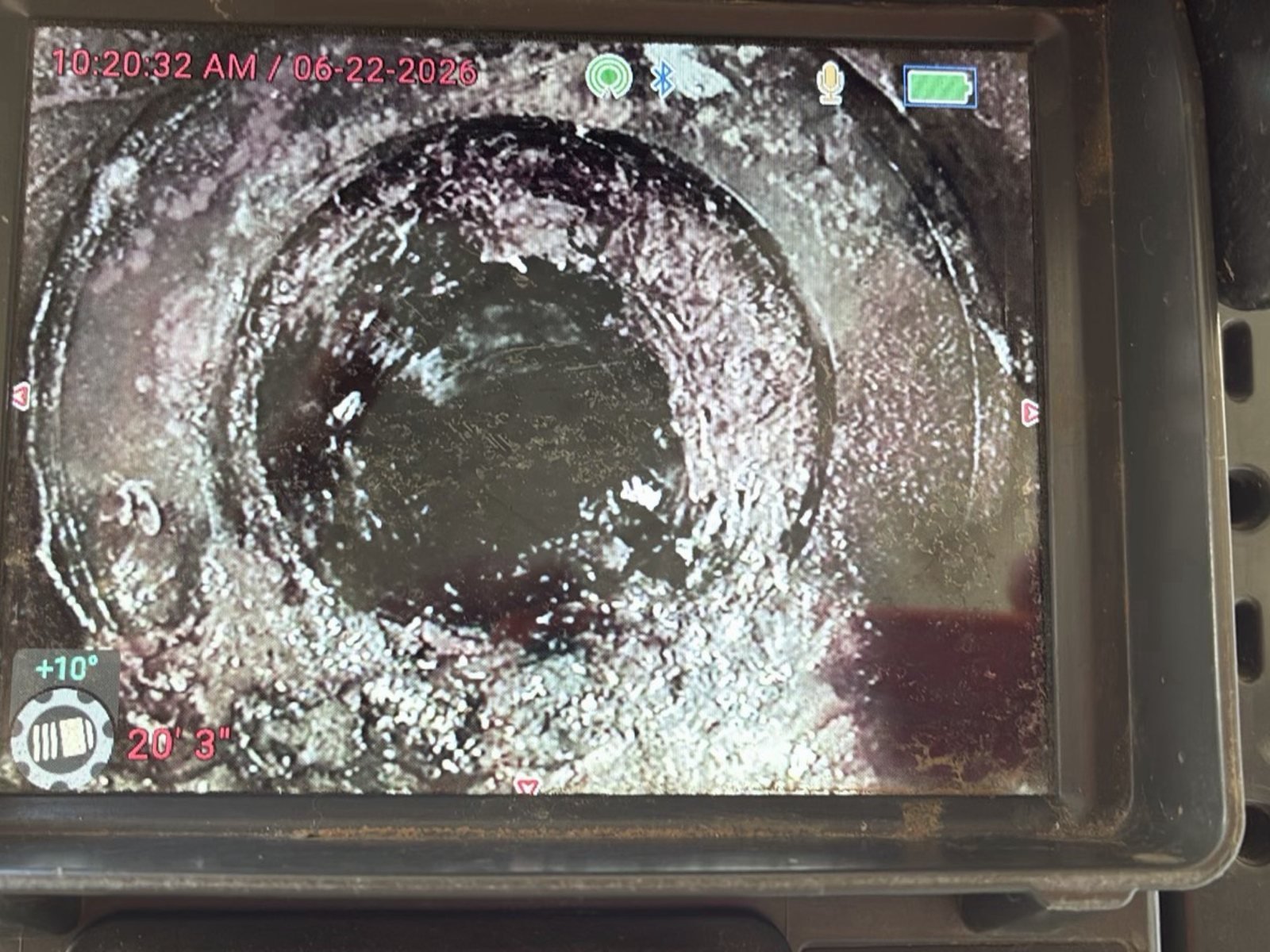
Step 2. Run the Camera the Full Length
The camera travels the entire lateral while we watch the live feed. We move slowly through joints and transitions, the spots where roots and offsets hide, and pause to document anything that affects flow or pipe integrity. Standing water that will not clear can indicate a belly, which we flag and describe.
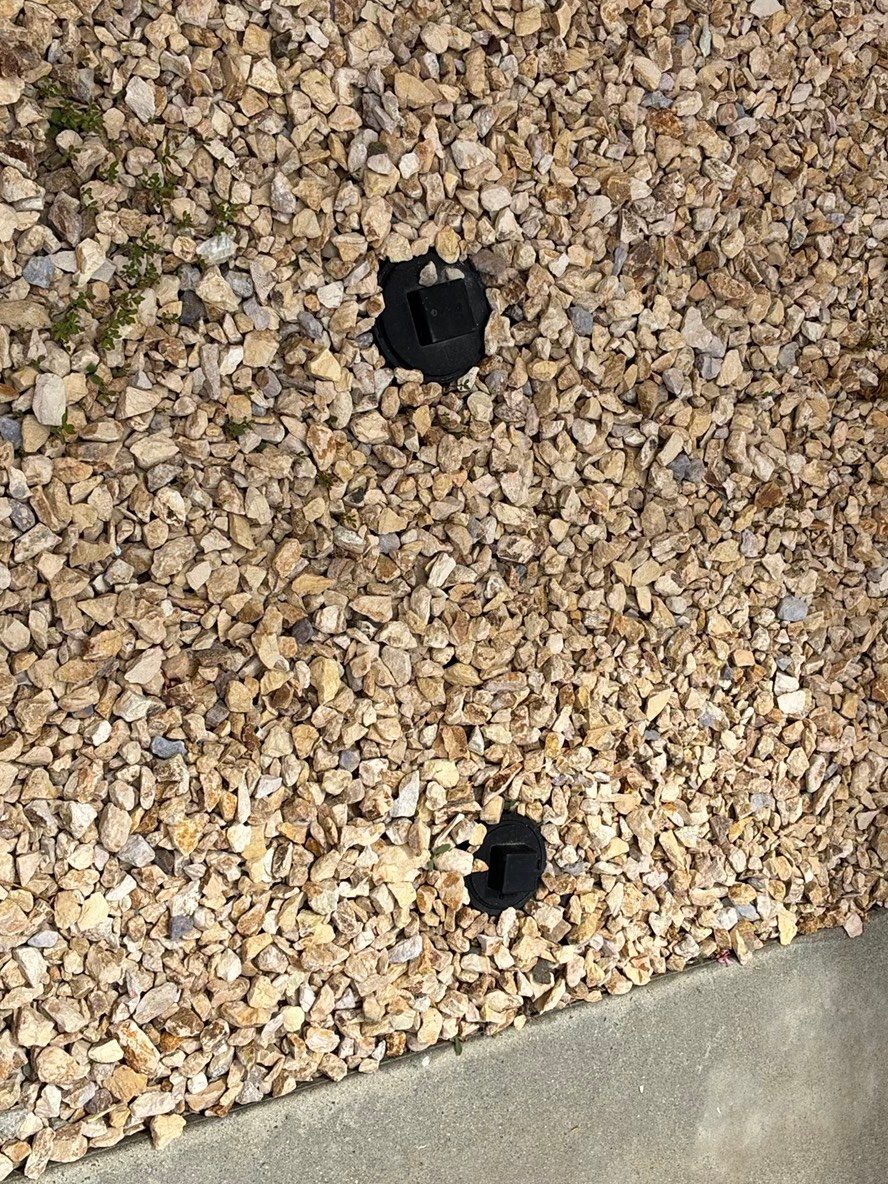
Step 3. Diagnose and Locate
We interpret what is on screen: is that a hairline root or a full mass, a cosmetic crack or a structural offset, a clay joint doing its job or one that has separated? Where possible we give an approximate distance and location so a plumber knows where to dig rather than guessing.
Step 4. Deliver the Report
Findings go into a digital report with supporting images, typically same-day, so you can act inside a tight escrow timeline. Same-day digital reports are typical, and we are reachable to walk you through what the footage means for your decision.
Who Needs a Sewer Scope Inspection?
Home buyers benefit most. If you are purchasing a home built before the 1980s, a scope is close to essential because the original lateral may still be in the ground. Pairing it with your inspection means you negotiate repairs or credits before closing instead of paying for them later.
Sellers use a pre-listing scope to avoid deal-killing surprises. Knowing the lateral's condition lets you price honestly, disclose accurately, and head off renegotiation, which fits naturally with a seller's inspection.
Real estate agents protect their clients and their own liability by recommending a scope on older listings; a documented line removes the single biggest hidden risk in a transaction.
Sewer scoping: questions we get
Do I really need a sewer scope if the home looks move-in ready?
Yes, especially on older homes. The lateral is buried and invisible, so a beautifully renovated house can still sit on a cracked clay line full of roots. Cosmetic condition tells you nothing about what is underground.
What's the difference between a sewer scope and a regular home inspection?
A standard inspection evaluates what is visible and accessible and confirms that drains flow during testing. It does not send a camera into the buried lateral. The scope is a separate, specialized service that looks where a visual inspection cannot, which is why buyers add it to their inspection.
What if there's no accessible cleanout?
Some older San Diego homes lack a proper cleanout. We can often access the line through a roof vent or a pulled toilet. If no safe access exists at all, we will tell you plainly rather than force entry and risk damage.
What are bellies and roots, and why do they matter?
A belly is a low section where the pipe has sagged, often from soil movement, so waste and water collect instead of draining; it causes chronic clogs. Roots enter through joints and cracks seeking moisture and can fill a pipe entirely. Both are common in San Diego and both are far cheaper to find now than to discover during a backup.
Will you tell me what the repair costs?
We document and diagnose condition, but we are inspectors, not a pipe-repair company, so we do not have a financial stake in the outcome. We will describe the severity and approximate location so a licensed plumber can give you an accurate, competitive bid.
What is a sewer scope inspection?
A sewer scope is a video inspection where we feed a flexible waterproof camera through your home's main sewer or drain line, from the house to the city connection or septic tank. It reveals the inside of the pipe so you can see cracks, root intrusion, bellies, or blockages that a standard home inspection cannot detect.
Who needs a sewer scope when buying a San Diego home?
Anyone buying a home older than roughly 25 years, or any property with mature trees near the line, should strongly consider a sewer scope. Many older San Diego homes still have cast-iron or clay pipes nearing the end of their life. Because sewer lines are buried and not visible in a normal inspection, scoping is the only way to confirm their condition before closing.
What does a sewer scope inspection check for?
Our camera documents the line's condition, looking for root intrusion, cracks, separated or offset joints, corrosion in cast-iron pipe, bellies (low spots that hold water), grease or scale buildup, blockages, and pipe material. We note where problems are along the run, which helps target any needed repair instead of digging up the whole yard.
Booked with a sewer scope

Your home is a major investment.
Protect it with San Diego's certified, 5-star-rated inspectors.
