
How we work
We test, probe, spray and measure at every property. Competitors rely on a visual pass; we run the systems and bring back data.
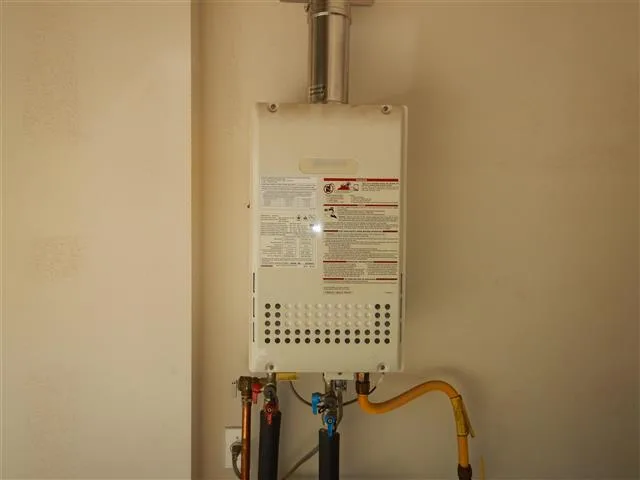








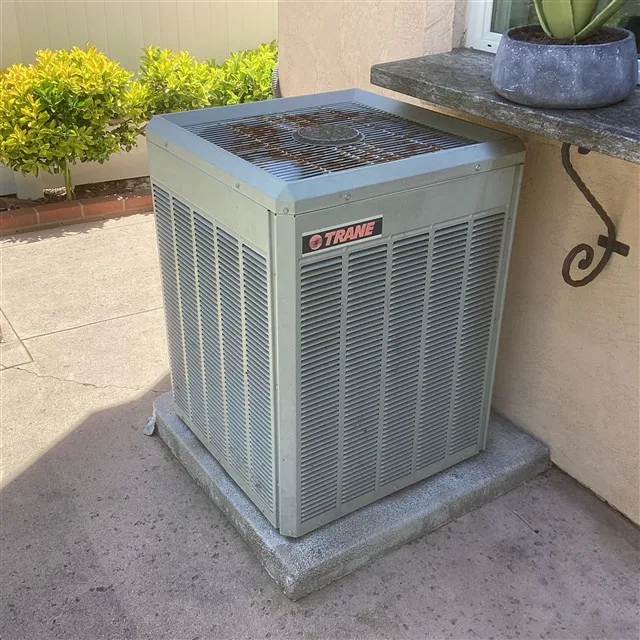
Engineering-inspired, not just a walk-through
Our competitors rely solely on visual inspection such as looking for unusual cracks in stucco or drywall. We do that too but we also gather the all-important data. These expensive and time-consuming tests are not required by the home inspectors' standards of practice. Just a few of the extras we provide at no additional charge include: a most important concrete slab floor level survey using a high precision altimeter, thermal imaging/infrared (IR) survey with latest version Flir cameras, “pole camera” aerial roof inspections on inaccessible roofs, and even a PATENTED non-destructive polybutylene pipe inspection (urgent knowledge for clients purchasing homes built between 1978 – 1995). So when you call around shopping prices, make sure you are comparing apples to apples. Our company is not content with mediocrity or being just another local inspection company. We specialize in performing the absolute highest quality inspections related to real estate sales. InterNACHI is the world's largest home inspection association.
Thanks to their detailed report, we negotiated thousands of dollars in repairs and credits from the seller.

About two hours on site, in two halves
A typical single-family home inspection takes about 2 hours on site. There is generally an additional 2 hours of off-site work generating our comprehensive report. Large homes, custom-built homes, and older homes (with raised foundations) may take considerably longer. Condos may take less time as there are fewer exterior items. Note: We can provide you with a time estimate during the scheduling process. These time estimates vary and do not include time spent generating the report (completed off-site).
It is preferable, though not necessary, for the client to attend. However, we encourage our clients to arrive towards the end of the inspector’s evaluation. It might be helpful to think of “the inspection” as two separate halves. The first half is the inspector’s assessment and the second is the inspector’s walk-through with clients.
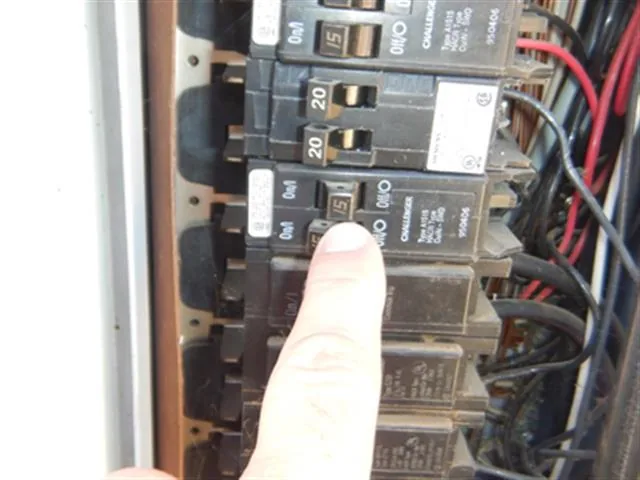
Part 1: “Inspector’s assessment” It is critically important for the inspector to have a safe and unobstructed opportunity to assess the overall and individual components of the property. The inspector, like any other professional, has a specific routine that he follows to perform his best on the client’s behalf. It should also be noted that inspecting homes is a potentially dangerous endeavor. Inspectors typically remove covers at live electrical panels, climb tall ladders, walk on roofs, and crawl through cramped under-floor areas. For these reasons We do not recommend the client, or any other persons, participate in this part of the process. At this time that the inspector takes detailed notes and digital photographs while conducting his assessment of the property. Simply stated, the more people present at the site means additional variables and an increased likelihood of an unsafe event or an oversight.
Part 2: “Inspector’s walk-through with clients” Upon completing his assessment, the inspector will share his main findings with the client. At this point, the inspector will spend as much time as necessary to answer all of the questions the buyers may have. Conducting the inspection in this manner saves time for all of the parties involved and reduces the number of on-site variables. By doing so the highest quality and most efficient inspection can be provided.
What we check on every home
- Structure and foundation — slab condition, visible cracking, settlement signs, and crawlspace components where accessible.
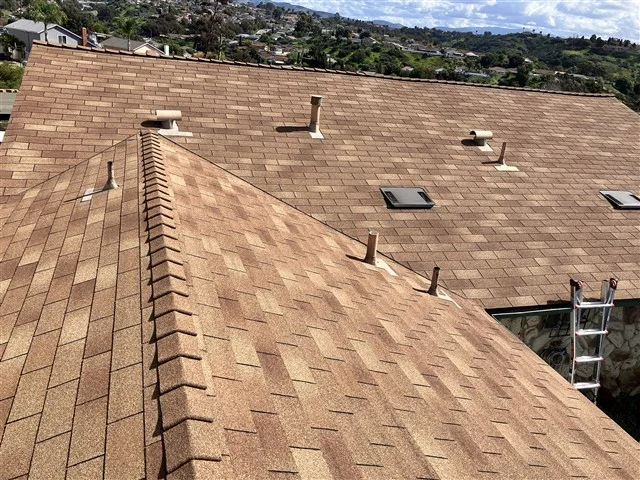
- Roof — covering material, flashing, drainage, and visible signs of leaks or aging.
- Exterior — siding, stucco, trim, grading, walkways, and drainage away from the foundation.
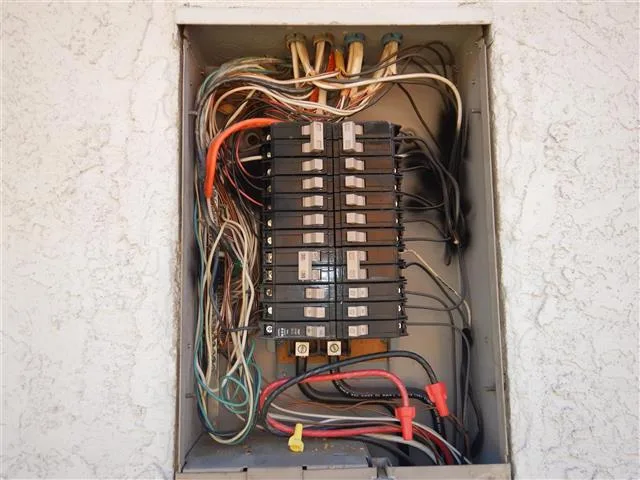
- Electrical — main panel, breakers, visible wiring, GFCI/AFCI protection, and a representative sample of outlets and fixtures.
- Plumbing — supply lines, drains, water heater, functional flow and drainage, and visible leaks or corrosion.
- HVAC — heating and cooling equipment operation, age indicators, and accessible ductwork.
- Interior — walls, ceilings, floors, windows, doors, and stairs.
- Attic and insulation — ventilation, insulation, and signs of moisture intrusion.
- Built-in appliances — operational testing of installed kitchen appliances.
- Moisture and safety concerns — visible mold-like growth, safety hazards, and active leaks.
The report, within 24 hours
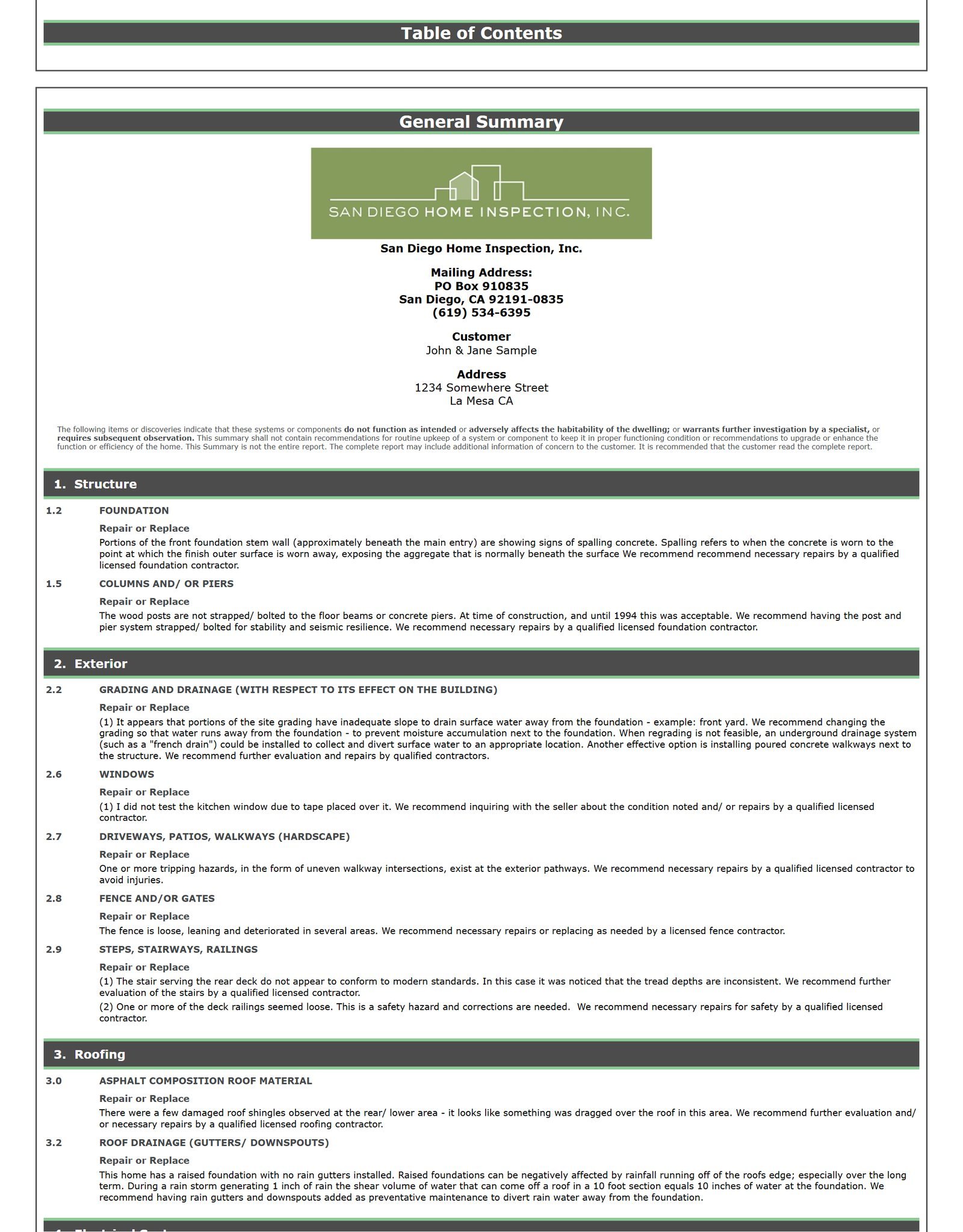
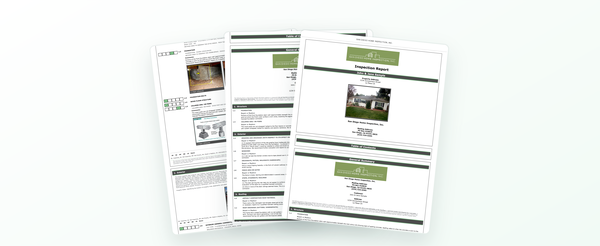
Most inspection reports will be delivered via E-Mail (PDF format) within 24 hours. The report outlines all major areas of the home including heating, air conditioning, plumbing, electrical, roofing, and more. A sample inspection report exists on this site for your review. Inspection reports on large Commercial buildings may take longer.
What it does for you
- The client (most commonly the buyer) will get peace of mind knowing that the property they chose was in the advertised condition.
- The inspection almost always reveals undisclosed material defects. This information can assist in negotiating credit or repairs back from the seller.
- Sometimes our inspection may reveal so many unexpected issues that the buyer decides to walk away, avoiding a myriad of issues and buyer's remorse.
Every fee is published in full. The number you are quoted when you book is the number you pay.
Home inspection
- Single family, from$475
- Condominium unit, from$395
- Townhome or attached, from$425
- Raised foundation+ $150
Add $150 for all raised foundation type properties
Add-ons
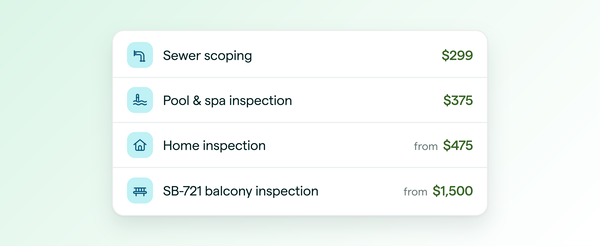
- Sewer Camera Inspection (standalone)$475
- Sewer Camera Inspection (with home inspection)$299
- Pool & Spa Inspection (standalone)$475
- Pool & Spa Inspection (with home inspection)$375
What to expect on the day
How long will the inspection take?
A typical single-family home inspection takes about 2 hours on site. There is generally an additional 2 hours of off-site work generating our comprehensive report. Large homes, custom-built homes, and older homes (with raised foundations) may take considerably longer. Condos may take less time as there are fewer exterior items. Note: We can provide you with a time estimate during the scheduling process. These time estimates vary and do not include time spent generating the report (completed off-site).
Should I be there for the inspection?
It is preferable, though not necessary, for the client to attend. However, we encourage our clients to arrive towards the end of the inspector’s evaluation. It might be helpful to think of “the inspection” as two separate halves. The first half is the inspector’s assessment and the second is the inspector’s walk-through with clients.
Part 1: “Inspector’s assessment” It is critically important for the inspector to have a safe and unobstructed opportunity to assess the overall and individual components of the property. The inspector, like any other professional, has a specific routine that he follows to perform his best on the client’s behalf. It should also be noted that inspecting homes is a potentially dangerous endeavor. Inspectors typically remove covers at live electrical panels, climb tall ladders, walk on roofs, and crawl through cramped under-floor areas. For these reasons We do not recommend the client, or any other persons, participate in this part of the process. At this time that the inspector takes detailed notes and digital photographs while conducting his assessment of the property. Simply stated, the more people present at the site means additional variables and an increased likelihood of an unsafe event or an oversight.
Part 2: “Inspector’s walk-through with clients” Upon completing his assessment, the inspector will share his main findings with the client. At this point, the inspector will spend as much time as necessary to answer all of the questions the buyers may have. Conducting the inspection in this manner saves time for all of the parties involved and reduces the number of on-site variables. By doing so the highest quality and most efficient inspection can be provided.
When will I receive the inspection report?
Most inspection reports will be delivered via E-Mail (PDF format) within 24 hours. The report outlines all major areas of the home including heating, air conditioning, plumbing, electrical, roofing, and more. A sample inspection report exists on this site for your review. Inspection reports on large Commercial buildings may take longer.
What payment options do I have?
We accept credit card payments when you sign your pre-inspection agreement paperwork or you can bring cash or a personal check to the inspection.

Your home is a major investment.
Protect it with San Diego's certified, 5-star-rated inspectors.
