
4-Point inspections
We offer specialized inspections tailored to help property owners meet the criteria set by their insurance providers.








Four systems, one report
What insurers ask about, and what we look at in each.
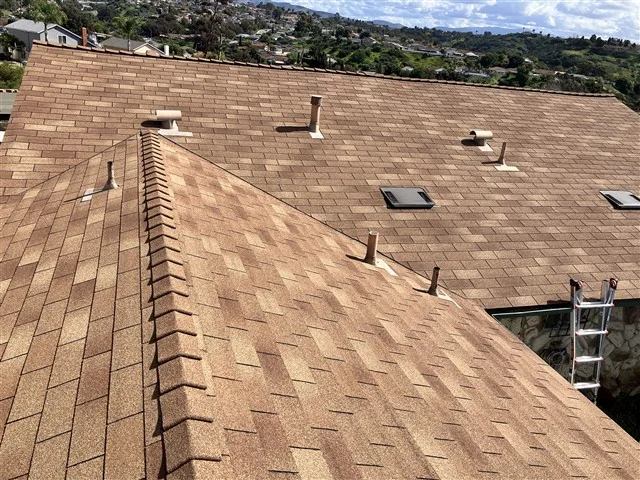
Roof
covering type, estimated age, remaining service life, and visible damage such as cracked tiles, curling shingles, or failed flashing.
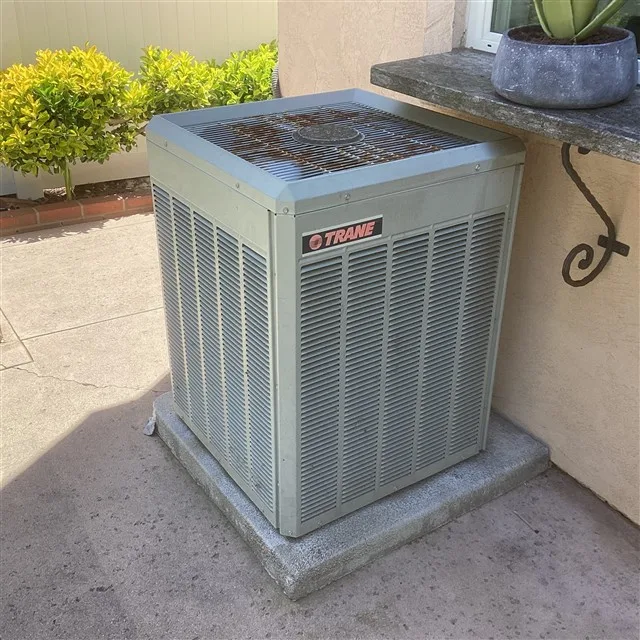
Roof penetrations and drainage
vents, skylights, and any signs of past or active leakage hidden by our dry climate.
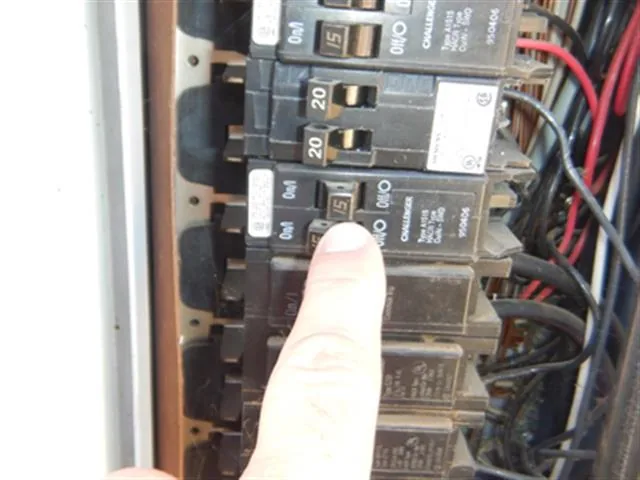
Electrical panel
brand, amperage, and wiring type, with attention to hazard panels (Federal Pacific, Zinsco) common in older San Diego homes.
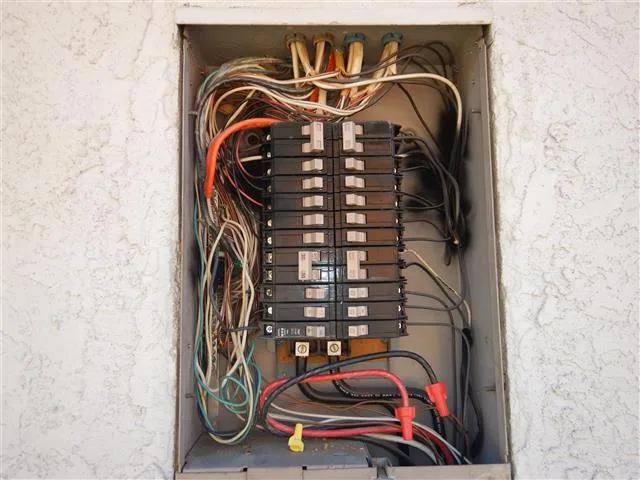
Branch wiring
evidence of knob-and-tube, aluminum, or unpermitted DIY work.
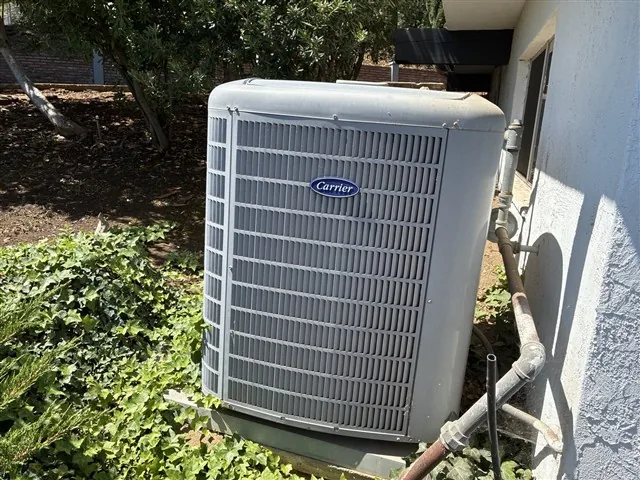
Insurance inspections
Insurance-Related Property Inspections
We offer specialized inspections tailored to help property owners meet the criteria set by their insurance providers.
A frequently required service is the 4-Point Inspection , which is often necessary before an insurance policy can be issued or renewed. This targeted evaluation covers four major systems within a property:
- Roofing system
- Plumbing system
- Electrical system
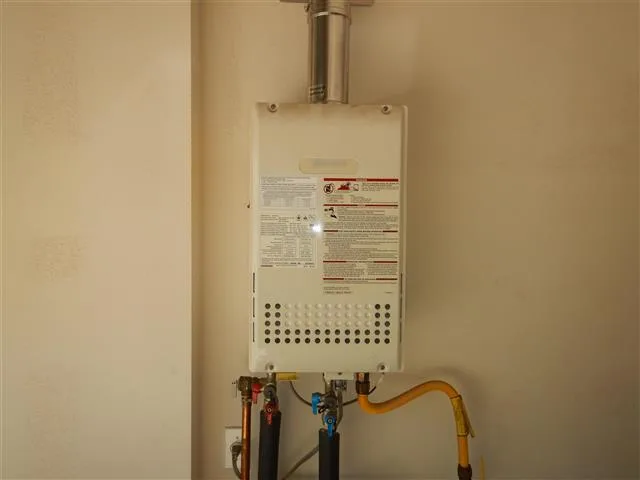
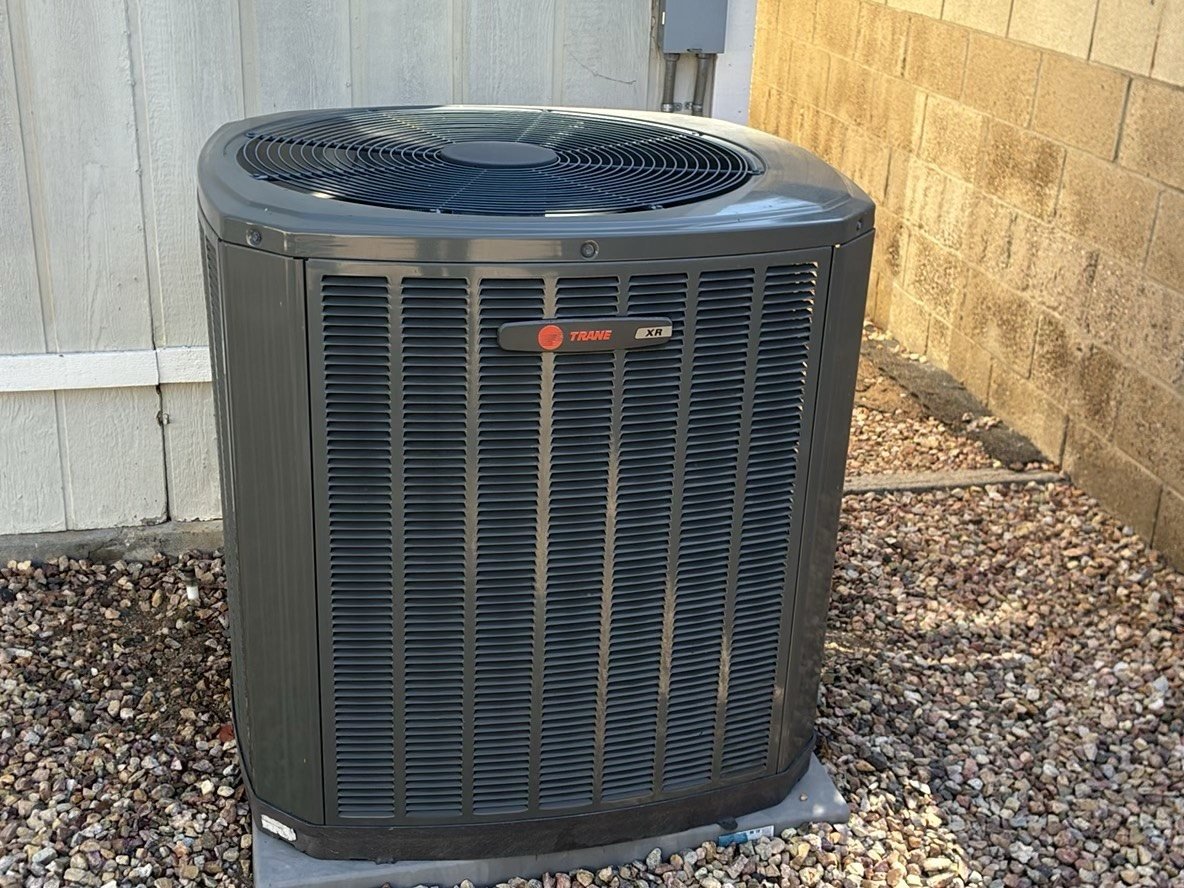
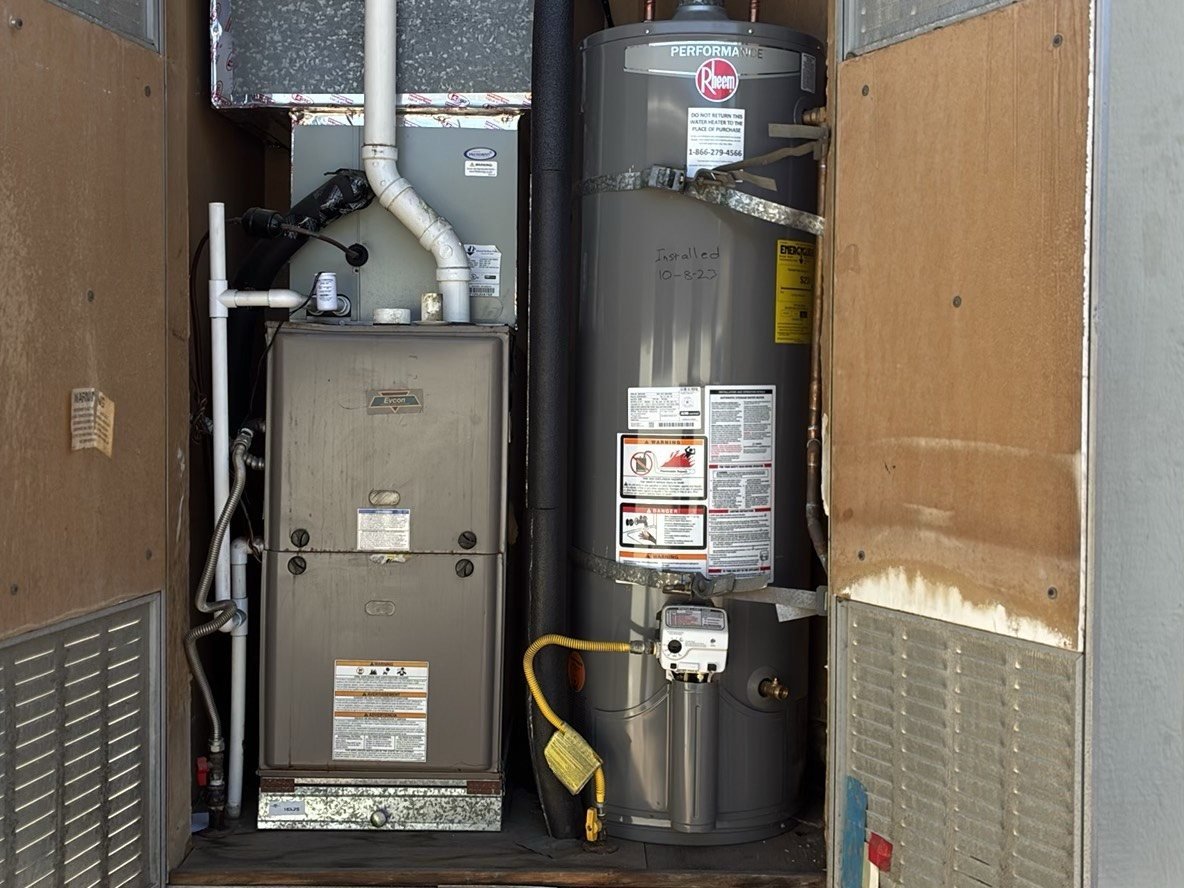
- HVAC (Heating, Ventilation, and Air Conditioning)
Insurance companies often stipulate that a licensed general contractor must carry out this inspection—an expectation we proudly fulfill.
We provide 4-point inspections for a wide array of residential property types, such as single-family homes, condos, townhouses, and multi-unit residential buildings. Our inspections are thorough, timely, and designed to give insurance carriers the confidence they need.
Thanks to their detailed report, we negotiated thousands of dollars in repairs and credits from the seller.

4-Point inspections
A 4-point inspection is essential for securing or renewing homeowners insurance, especially for older properties. This focused evaluation looks at the four major systems—roof, electrical, plumbing, and HVAC—to assess overall condition and potential risks. Insurance companies rely on this information to determine coverage eligibility and premium rates. By identifying issues early, homeowners can avoid claim denials or unexpected policy cancellations. Whether you’re buying a new home or maintaining coverage on an existing one, a professional 4-point inspection gives you peace of mind and helps ensure compliance with insurer requirements.
How it works
From the first call to the report, in order.
Step 1. Schedule Around Your Closing or Renewal
Call (619) 752-4399 or request a time online. Tell us whether the inspection is for a new policy on a home you are buying or a renewal on a property you already own, and share your carrier's specific form requirements if you have them.
Step 2. On-Site Evaluation
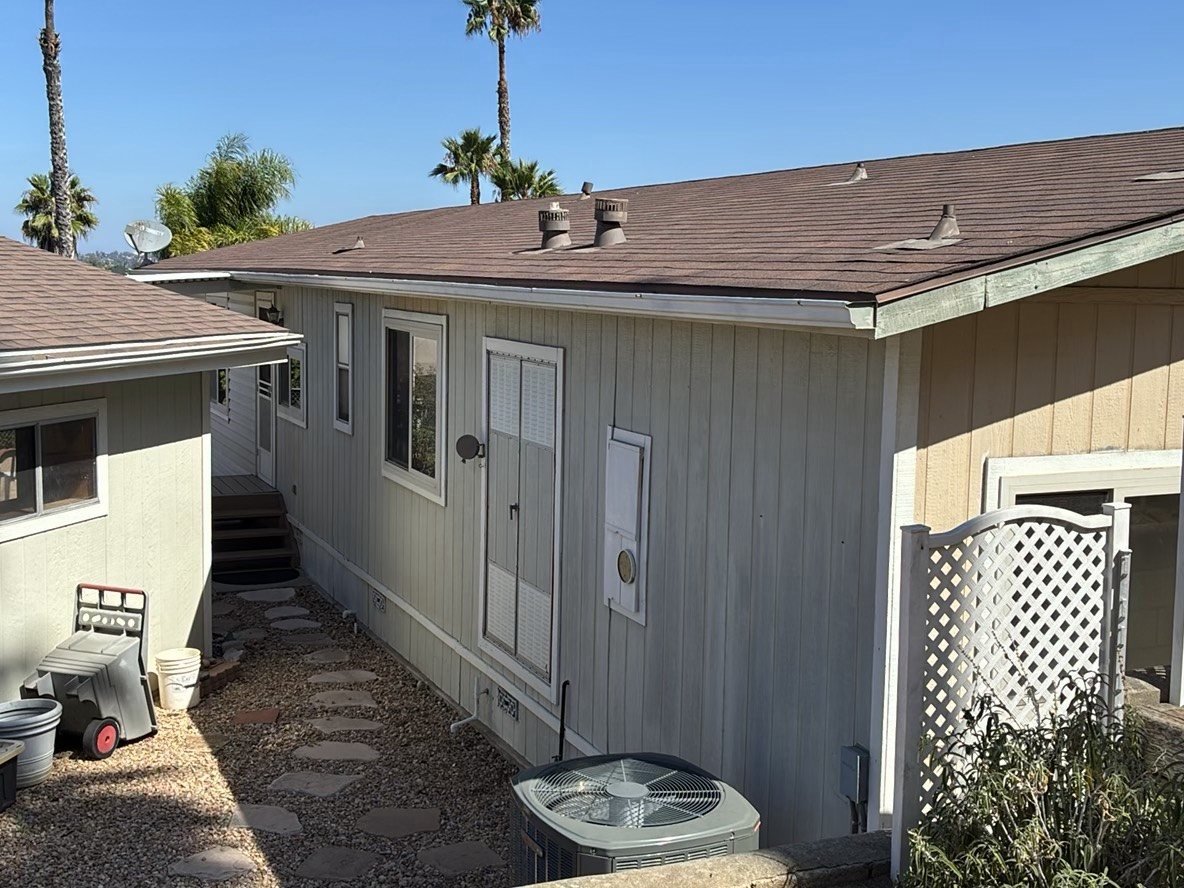
Joseph Romeo inspects all four systems on site, photographing conditions and defects as he goes. Most 4-point inspections are completed in a single visit; access to the panel, attic, and water heater speeds things up considerably.
Step 3. Same-Day Digital Report
Same-day digital reports are typical. You receive a clean, photo-supported PDF you can forward directly to your insurance agent or underwriter. You can preview our reporting style on our sample reports page.
Step 4. Follow-Up Support
If the carrier asks a follow-up question or needs a defect re-verified after repair, we help you close that loop so coverage isn't delayed.
Who Needs a 4-Point Inspection?
Buyers purchasing a home built roughly 25 years ago or earlier often find their lender's required insurance won't bind until a 4-point clears. Owners renewing a policy may receive a sudden carrier request, especially after switching insurers or when a carrier tightens its underwriting in California's hardening market. Real estate agents use a 4-point to keep an escrow on track when an insurability question surfaces late. And landlords or investors adding an older rental to a portfolio typically need one to secure a new dwelling policy.
A focused report for the insurer; ask about bundling it with a full inspection.
Home inspection
- Single family, from$475
- Condominium unit, from$395
- Townhome or attached, from$425
- Raised foundation+ $150
Add $150 for all raised foundation type properties
Add-ons
- Sewer Camera Inspection (standalone)$475
- Sewer Camera Inspection (with home inspection)$299
- Pool & Spa Inspection (standalone)$475
- Pool & Spa Inspection (with home inspection)$375
4-Point inspections: questions we get
Why do insurers require a 4-point inspection?
Older homes carry more risk in the four systems most likely to cause a major claim — roof, electrical, plumbing, and HVAC. A 4-point gives the underwriter current, photo-documented evidence of those systems so they can decide whether to insure the home and at what premium, rather than relying on the original build date alone.
What's the difference between a 4-point and a full home inspection?
A full buyer's inspection documents the entire property for your decision-making. A 4-point is narrower and written for an insurance carrier, covering only the four systems they underwrite. If you're buying, you often want both.
How old does a home have to be to need one?
It varies by carrier, but requests commonly start once a home is around 25 to 40 years old. Some insurers also require one regardless of age after a coverage lapse or carrier change.
What if a system fails the inspection?
A flagged defect isn't an automatic denial. Carriers usually allow you to repair the issue and submit verification. We document conditions clearly and can re-verify a repaired item so coverage moves forward.
Can you scope the sewer line during the same visit?
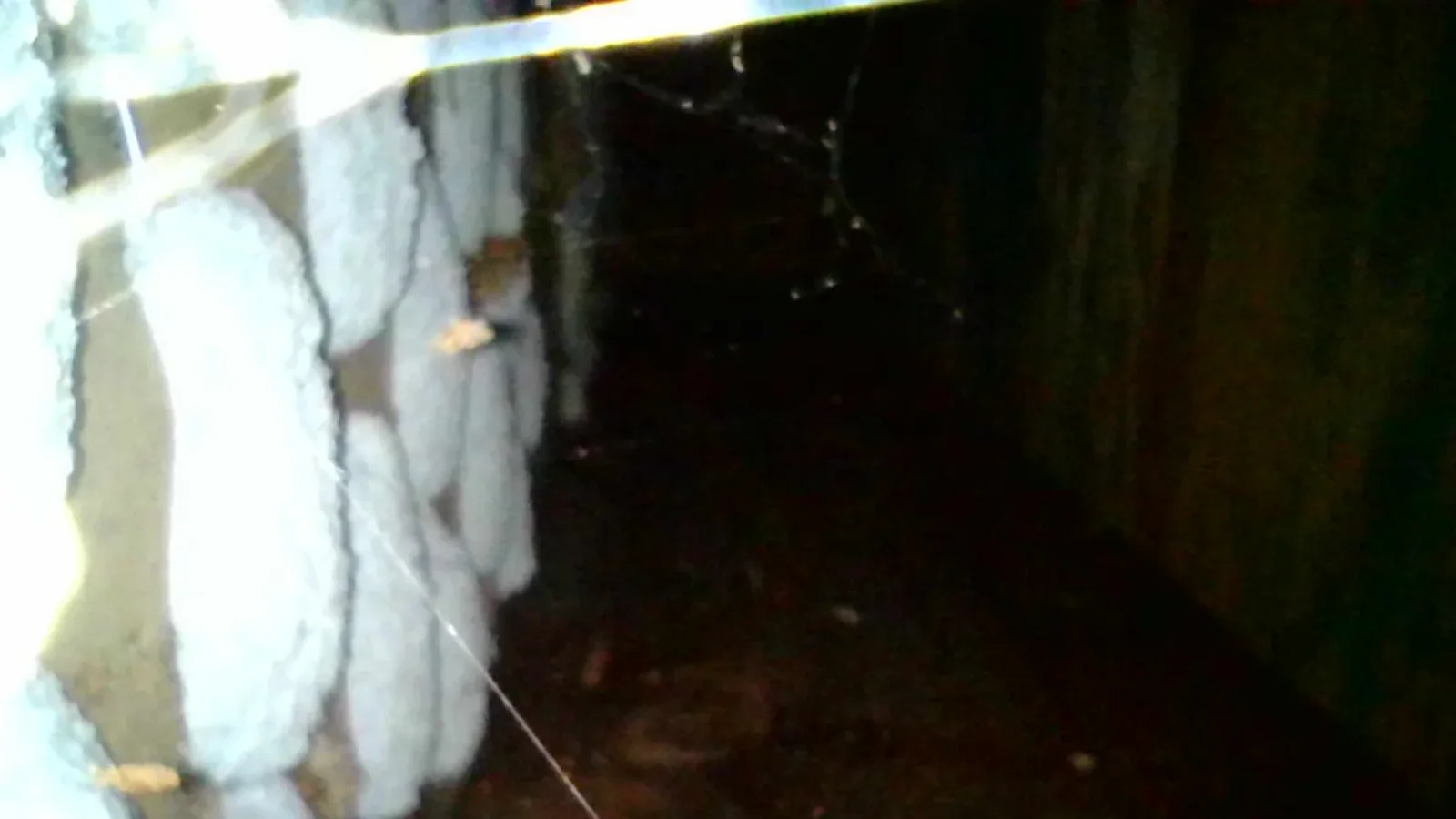
Yes. Given San Diego's aging clay and cast-iron laterals, many clients add a sewer camera inspection at the same appointment for a fuller picture of the plumbing.
What is a 4-point inspection?
A 4-point inspection is a focused evaluation of a home's four major systems: roof, electrical, plumbing, and HVAC. Insurance companies use it to assess risk before issuing or renewing a policy. It's narrower than a full home inspection, documenting the age, condition, and any visible defects of just these four systems for the insurer.
Who needs a 4-point inspection in San Diego?
Homeowners and buyers of older properties typically need one, since many insurers require a 4-point inspection before writing or renewing a policy on homes roughly 25 to 40-plus years old. If your San Diego carrier asks for documentation of your roof, electrical, plumbing, and HVAC condition, this inspection satisfies that request.
What does a 4-point inspection check?
It checks four systems: the roof (covering type, age, and visible wear), electrical (panel, wiring type, and safety concerns like outdated systems), plumbing (supply and drain materials plus leaks), and HVAC (age and operating condition). Our InterNACHI Certified Professional Inspector documents each system's status and notes deficiencies insurers commonly flag.

Your home is a major investment.
Protect it with San Diego's certified, 5-star-rated inspectors.
