
SB-721 balcony inspections
Senate Bill 721 (SB 721) was signed into law in 2018 following a catastrophic structural failure in Berkely, California. This horrific balcony collapse resulted in the deaths of six college students.
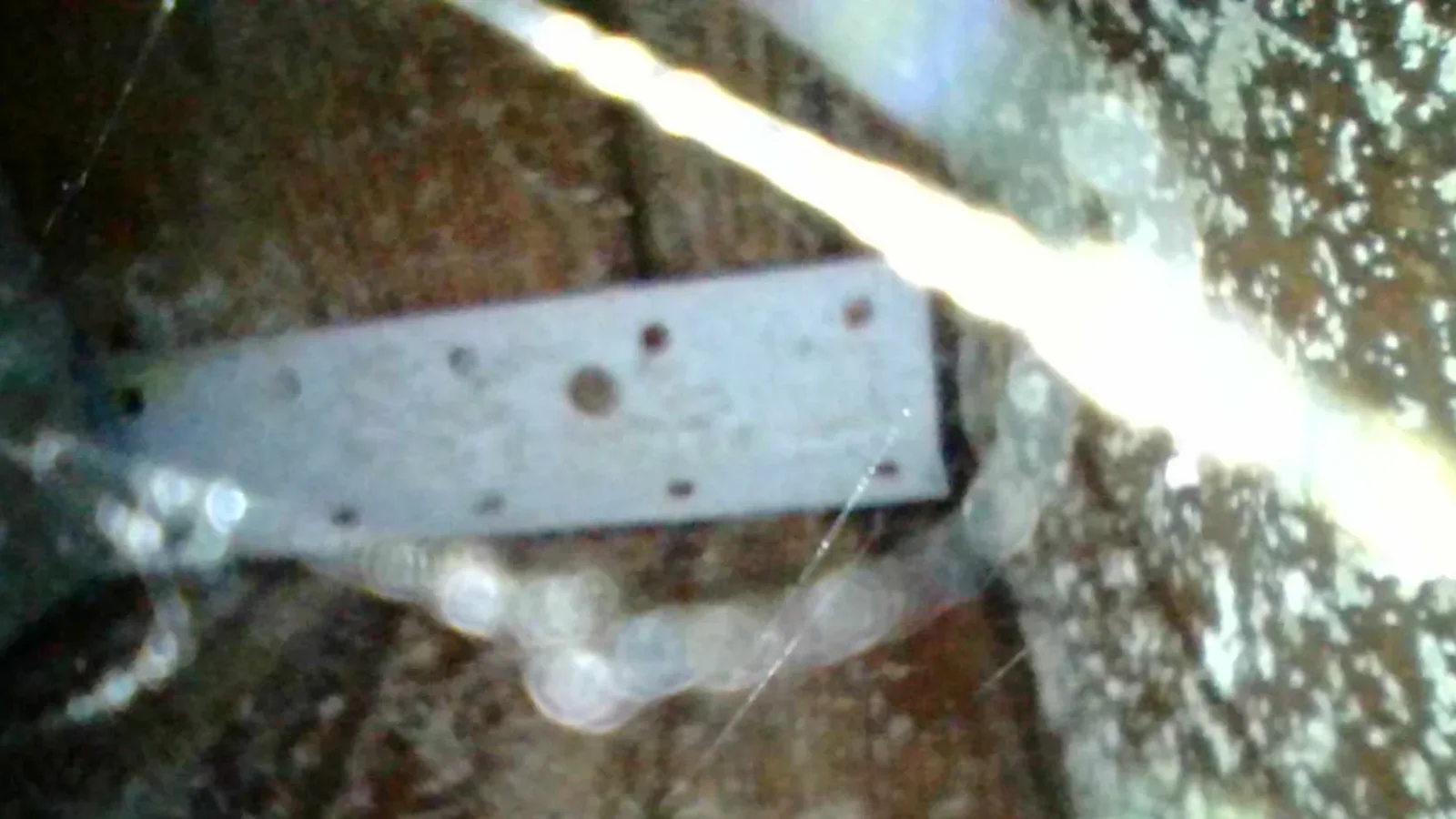








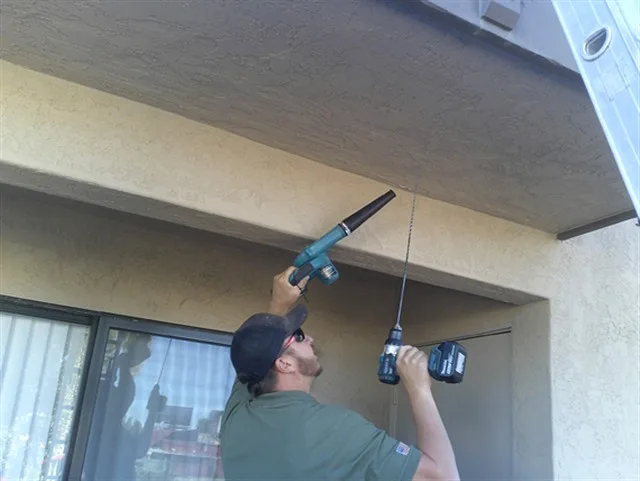
Inspection requirements for owners of multi-unit apartment buildings
Red alert for owners of apartment buildings.
State-mandated sb 721 inspections need to be completed by jan. 1, 2026*(oriiginal deadline was jan. 1, 2025 but the state has extended the deadline for one additional year).
History leading up to senate bill 721.
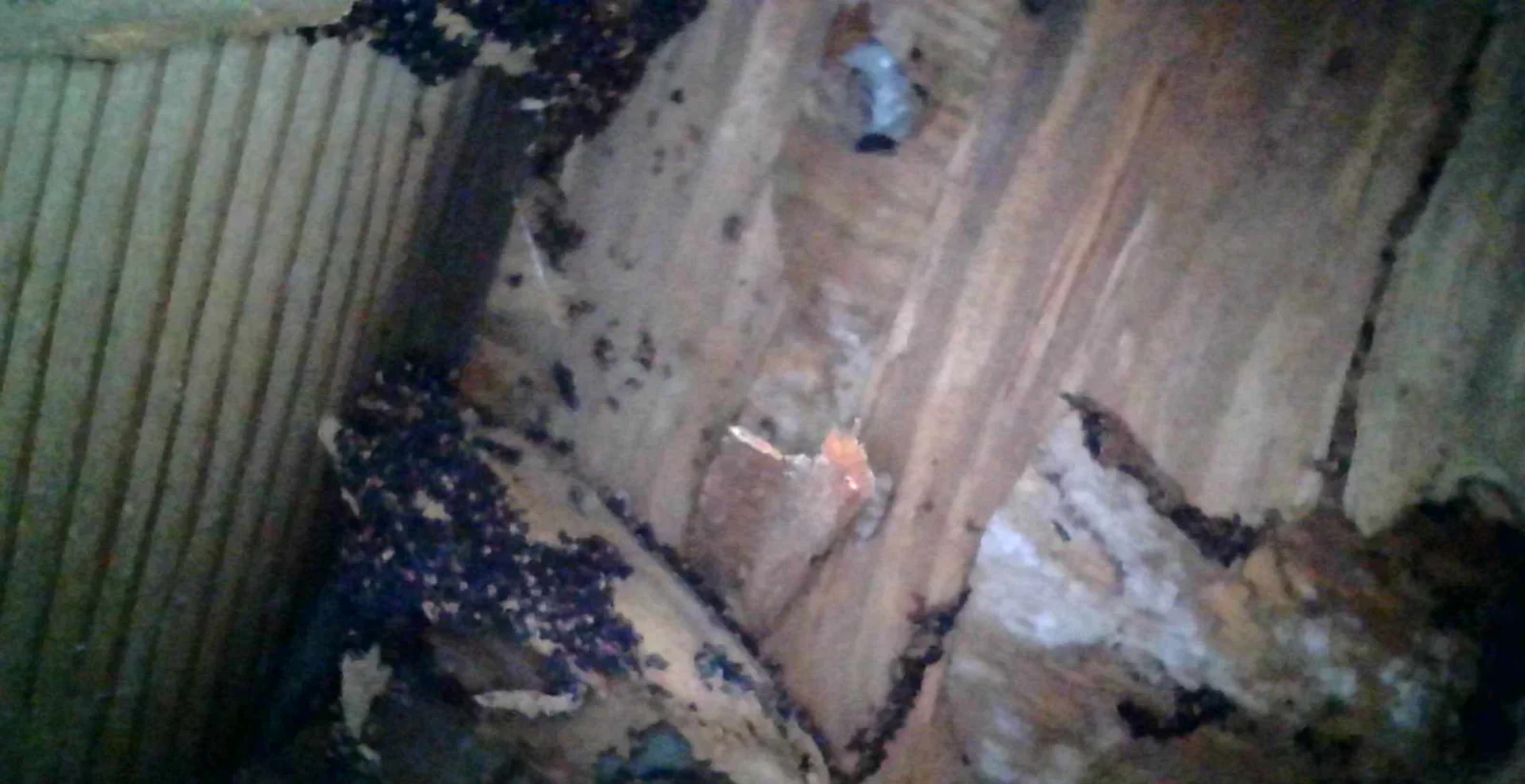
Senate Bill 721 (SB 721) was signed into law in 2018 following a catastrophic structural failure in Berkely, California. This horrific balcony collapse resulted in the deaths of six college students. Along with the deaths, several other people were left with serious injuries after falling 40 feet to the street below. In response, an investigation determined that dry rot at the cantilevered balcony joists, likely caused by hidden moisture intrusion, allowed the wood framing members to catastrophically fail without warning. This balcony collapse was especially concerning as the building was only ten years old.
Required inspection of “exterior elevated elements”.
The SB 721 legislation created a special category of high risk building components in the California Building Code called “Exterior Elevated Elements” (EEE) defined as: all elevated decks, balconies, landings, stairway systems, walkways, guardrails, and handrails, or any parts thereof that are exposed to the weather and with a walking surface more than 6 feet above ground level. The EEE definition applies to components that are wood framed or rely on wood framing for their support. In addition to creating this new category, SB 721 imposes new safety, inspection, and enforcement standards for all apartment buildings with 3+ units. The intent of this law and its enforcement is to protect against future tragedies. Every owner of apartment buildings in California with 3+ units is required to have the building’s EEE inspected by a specially qualified, third-party expert before JAN. 1, 2025 and then every 6 years thereafter. What makes this legislation notable is that the State of California is forcing apartment owners to hire third-party inspectors as the first line of enforcement mechanism. This differs as traditionally the local enforcement agency would fulfill this role. San Diego Home Inspection, Inc. is the local expert in SB 721 compliance and has the relevant expertise and professional qualifications required to help apartment building owners and property managers navigate this new and complex regulatory environment.
Avoid the rush to meet the jan. 1, 2025 deadline.
As mentioned above, owners of apartment buildings in California with 3+ units are required to have the building’s Exterior Elevated Elements (EEE) inspected by a specially qualified third-party expert before JAN. 1, 2025. As the deadline quickly approaches, we encourage you to contact San Diego Home Inspection, Inc. so we can make every effort to streamline the SB 721 compliance process. Don’t be stuck in that herd and be forced to overpay or hire an unqualified inspector. Also, don’t risk fines of $100 – $500 per day, building safety liens, and other enforcement mechanisms that the local government agency may levy. We strongly encourage owners of apartment buildings to start this process as soon as possible.
Thanks to their detailed report, we negotiated thousands of dollars in repairs and credits from the seller.

How it works
From the first call to the report, in order.
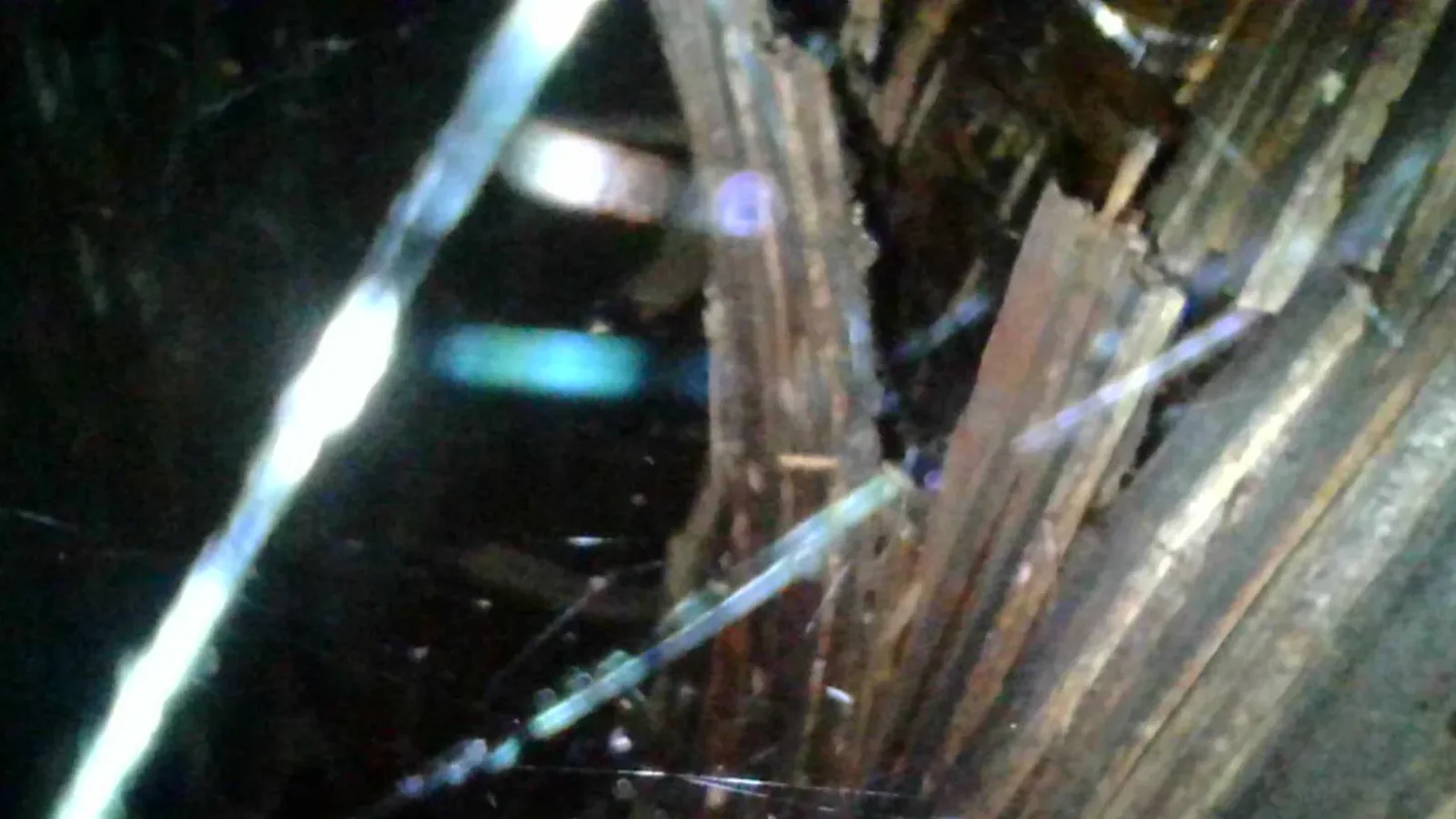
Step 1. Scope and Schedule
We start by confirming your building qualifies (3+ units) and inventorying every exterior elevated element across the property. For larger complexes in communities like Chula Vista, El Cajon, or Oceanside, we plan access so that a representative sample of balconies and walkways is evaluated with minimal disruption to tenants.
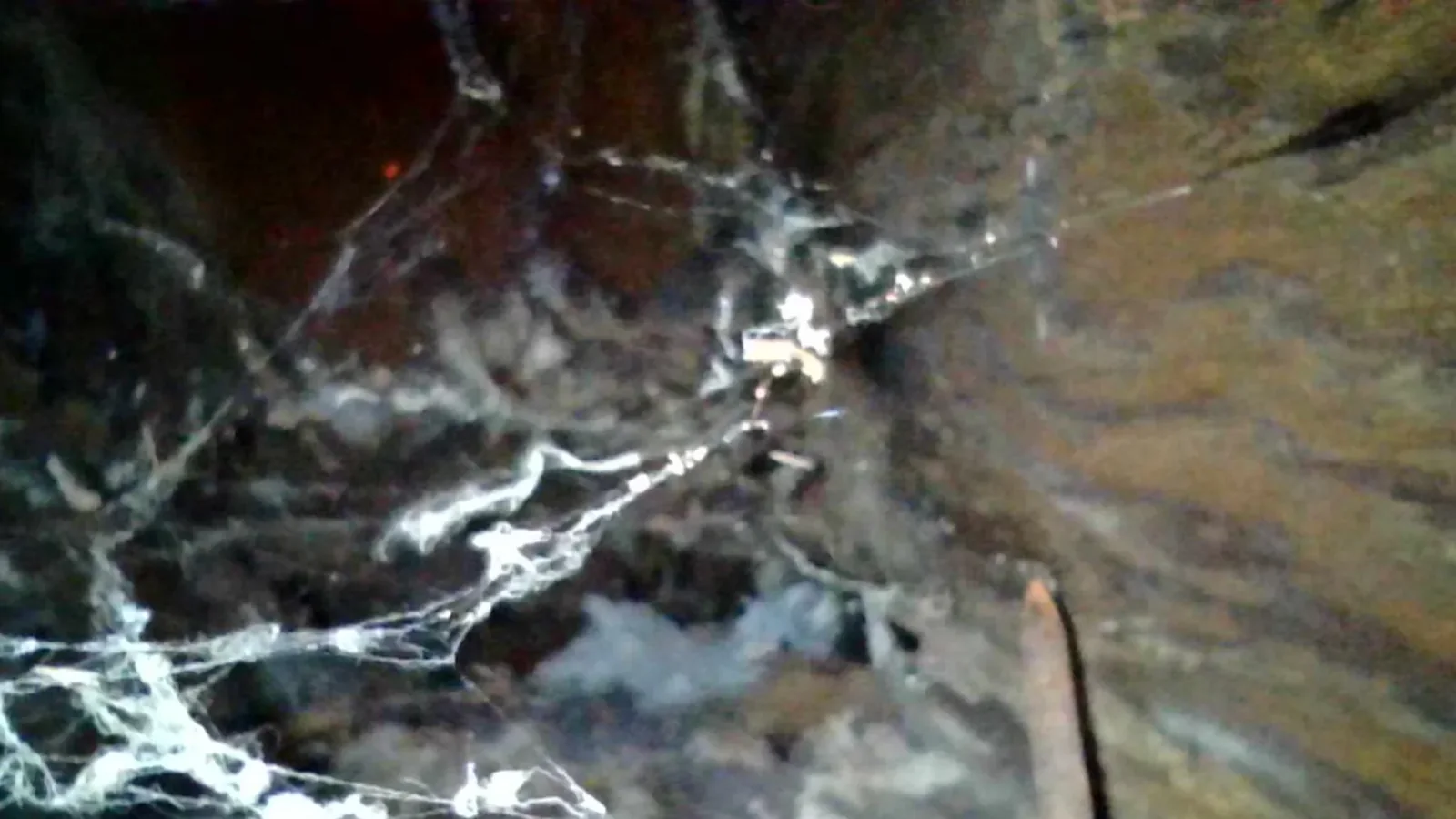
Step 2. On-Site Inspection
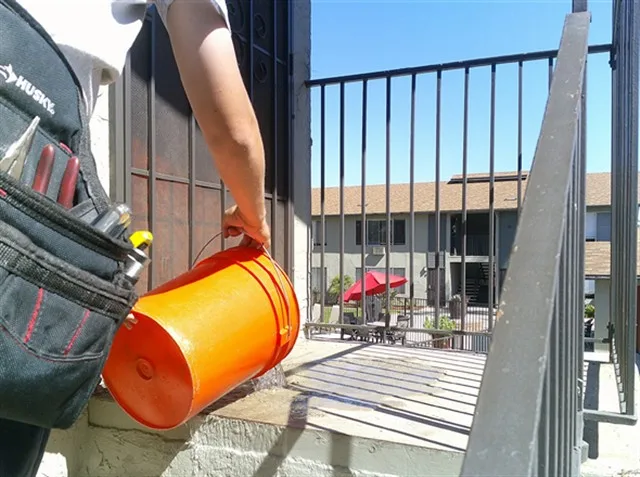
On inspection day, we evaluate each selected element visually and physically, checking framing, connections, railings, and waterproofing. Where surface conditions hint at hidden decay, we probe and use moisture metering to confirm the extent of the problem rather than guessing from the outside.
Step 3. Reporting and Documentation
You receive a written report that clearly separates immediate life-safety hazards from items needing maintenance. Same-day digital reports are typical, giving you a documented record to schedule repairs and demonstrate good-faith compliance.
Step 4. Remediation Support and Re-Inspection
When repairs are needed, our findings give your contractor a precise punch list. After corrective work, we can re-evaluate the affected elements so your file shows the issue was identified and resolved within the required timeframe.
The number of units sets the price. Exemption letters are quoted separately.
SB-721, by unit count
- 3–4 Unit Building$1,500
- 5–6 Unit Building$2,000
- 7–12 Unit Building$2,800
- 13–20 Unit Building$3,200
- 21–30 Unit Building$3,500
- 31–40 Unit Building$4,000
- 41–50 Unit Building$4,500
- 51–70 Unit Building$5,000
- 71+ UnitsCall for pricing
SB-721 exemption letter
When a building has no wood-framed exterior elevated elements.
- Buildings that qualifyCall for quote
Identification and inventory of all exterior elevated elements (EEEs) with a wood or wood-based walking surface or support
Checked on every visit.
Visual and physical evaluation of balconies, decks, landings, exterior stairs, and elevated walkways
Checked on every visit.
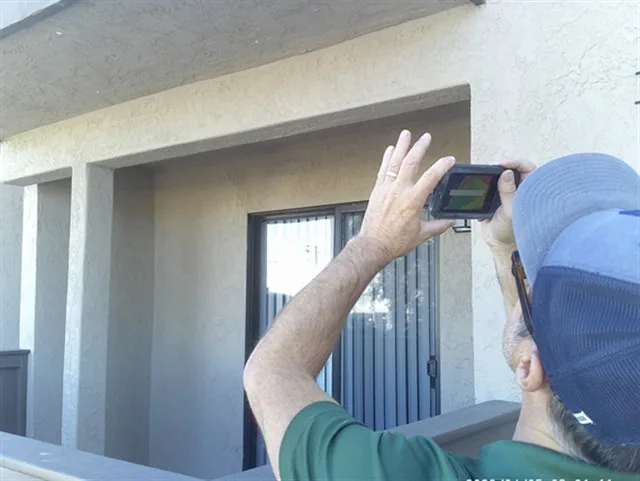
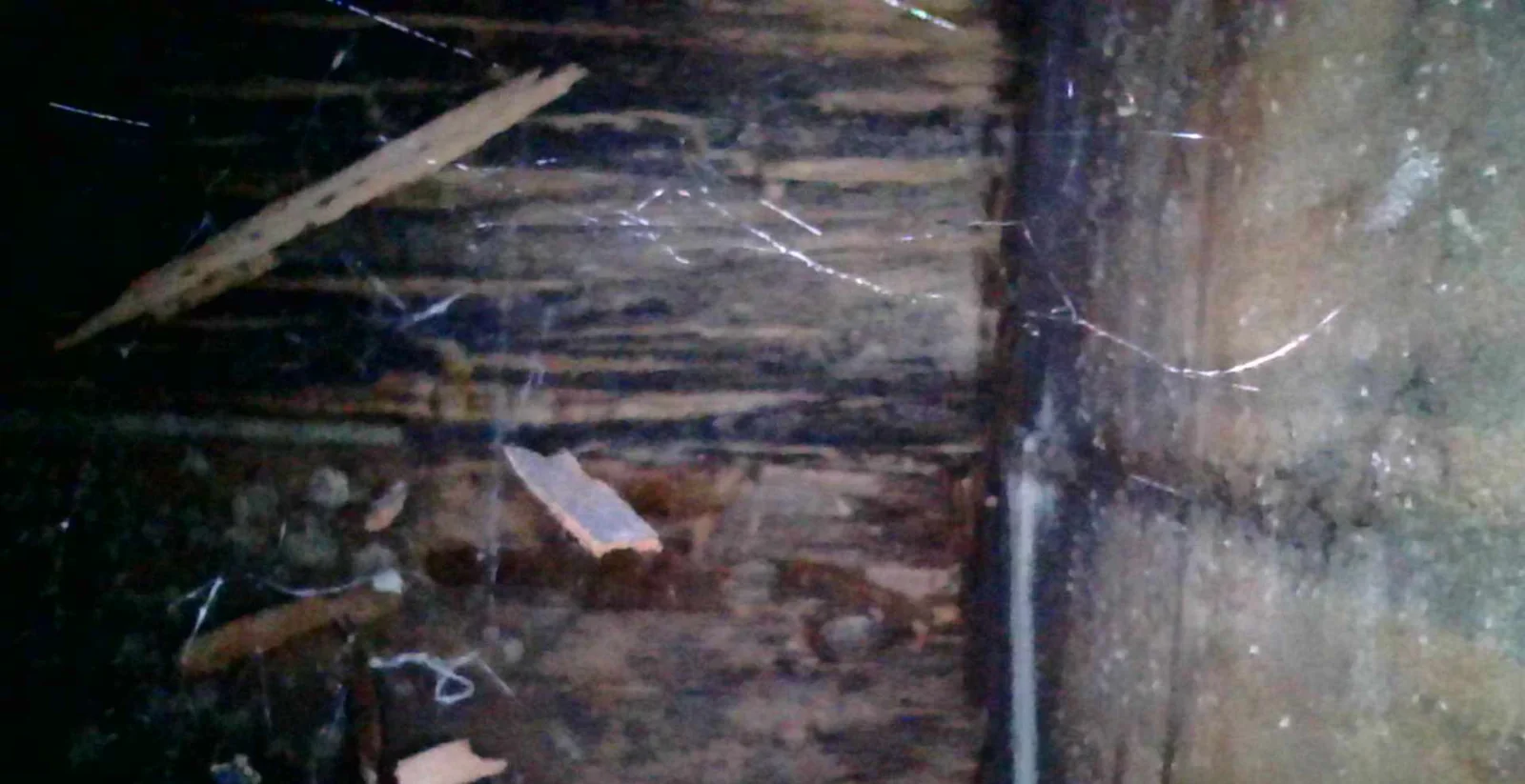
Assessment of load-bearing framing, joists, ledger connections, and fasteners for decay or corrosion
Checked on every visit.
Evaluation of guardrails and handrails for secure attachment and structural integrity
Checked on every visit.
SB-721 balcony inspections: questions we get
What buildings does SB-721 cover?
SB-721 applies to apartment and multifamily rental buildings with three or more dwelling units. It covers exterior elevated elements, meaning balconies, decks, exterior stairways, landings, and walkways that are more than six feet above ground and rely on wood framing for support. Condominium and HOA buildings are covered by the separate SB-326 law.
What is the SB-721 inspection deadline?
The first inspection deadline was extended to January 1, 2026 under AB 2579. After the initial inspection, the law requires re-inspection every six years. Buildings that miss the deadline can face fines and other enforcement action from the local building agency.
Who is allowed to perform an SB-721 inspection?
The law requires a qualified, licensed professional, such as a licensed contractor, architect, or engineer with relevant experience. Joseph Romeo holds CSLB General Contractor License #1113143 and the InterNACHI Certified Professional Inspector credential, so our inspections satisfy the statute's licensed-inspector requirement.
What happens if my inspection finds problems?
If we identify conditions that threaten occupant safety, the law requires that they be repaired. Our report separates urgent life-safety items from routine maintenance and gives your contractor a clear scope. We can re-inspect after repairs so your records show the issue was found and resolved.
How is SB-721 different from SB-326?
SB-721 (Health & Safety Code 17973) governs rental apartments with 3+ units on a six-year cycle. SB-326 (Civil Code 5551) governs condominium and HOA buildings on a nine-year cycle, with a January 1, 2025 deadline. The right inspection depends on how your property is owned and governed.
What is an SB-721 balcony inspection?
An SB-721 inspection is a California-required safety evaluation of exterior elevated elements (EEEs) on apartment and multifamily buildings with three or more units. It covers balconies, decks, stairways, and walkways that have wood or wood-based structural support, checking their load-bearing components and waterproofing for decay or damage.
Who needs an SB-721 inspection and when is it due?
Owners of California apartment or multifamily buildings with three or more units need an SB-721 inspection. The original January 1, 2025 deadline was extended by AB 2579 to January 1, 2026, and buildings must be re-inspected every six years afterward. SB-721 is separate from SB-326, which covers HOA and condominium buildings.
What does an SB-721 inspection check?
An SB-721 inspection examines load-bearing components and associated waterproofing of wood-framed balconies, decks, stairways, and walkways, plus their railings, ledgers, joists, and flashing. The inspector evaluates a representative sample, looking for dry rot, water intrusion, corrosion, and deterioration that could compromise safety, then documents findings and any needed repairs in a written report.
The other balcony services

Your home is a major investment.
Protect it with San Diego's certified, 5-star-rated inspectors.
